Heart and neuroscience collaborate for groundbreaking procedure
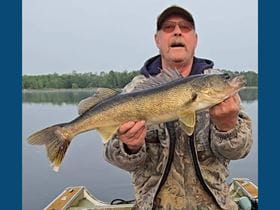 “I’ve always been in good shape, so I was shocked when the stroke happened and then to learn I had an underlying problem was difficult,” said Steven.
 Steven, a retired meat cutter and lifelong outdoorsman from Ramsey, Minn., began living with strict medical restrictions. The aneurysm had stabilized for a time, but last February, scans showed it had grown. His doctors instructed him to avoid strenuous exercise and to lift no more than 20 pounds, which meant no hauling meat boxes and fewer fishing and hunting trips.
A unique problem calls for an exceptional team
Steven went to Matthew Whitbeck, MD, an interventional cardiologist at Allina Health Mercy Hospital.
“Steven’s aneurysm posed a challenge due to its shape. The location, shape and opening, or neck, of the aneurysm was wide, meaning the typical coils and stents I utilize to treat this condition would not be ideal and would make treatment difficult,” said Dr. Whitbeck. “I decided to reach out to my colleagues at Allina Health Brain and Spine Institute. I knew they had extensive experience in using the Woven Endo Bridge (WEB) embolization system for treating cerebral aneurysms similar to the shape of Steven’s coronary aneurysm and thought this would be an excellent solution.”
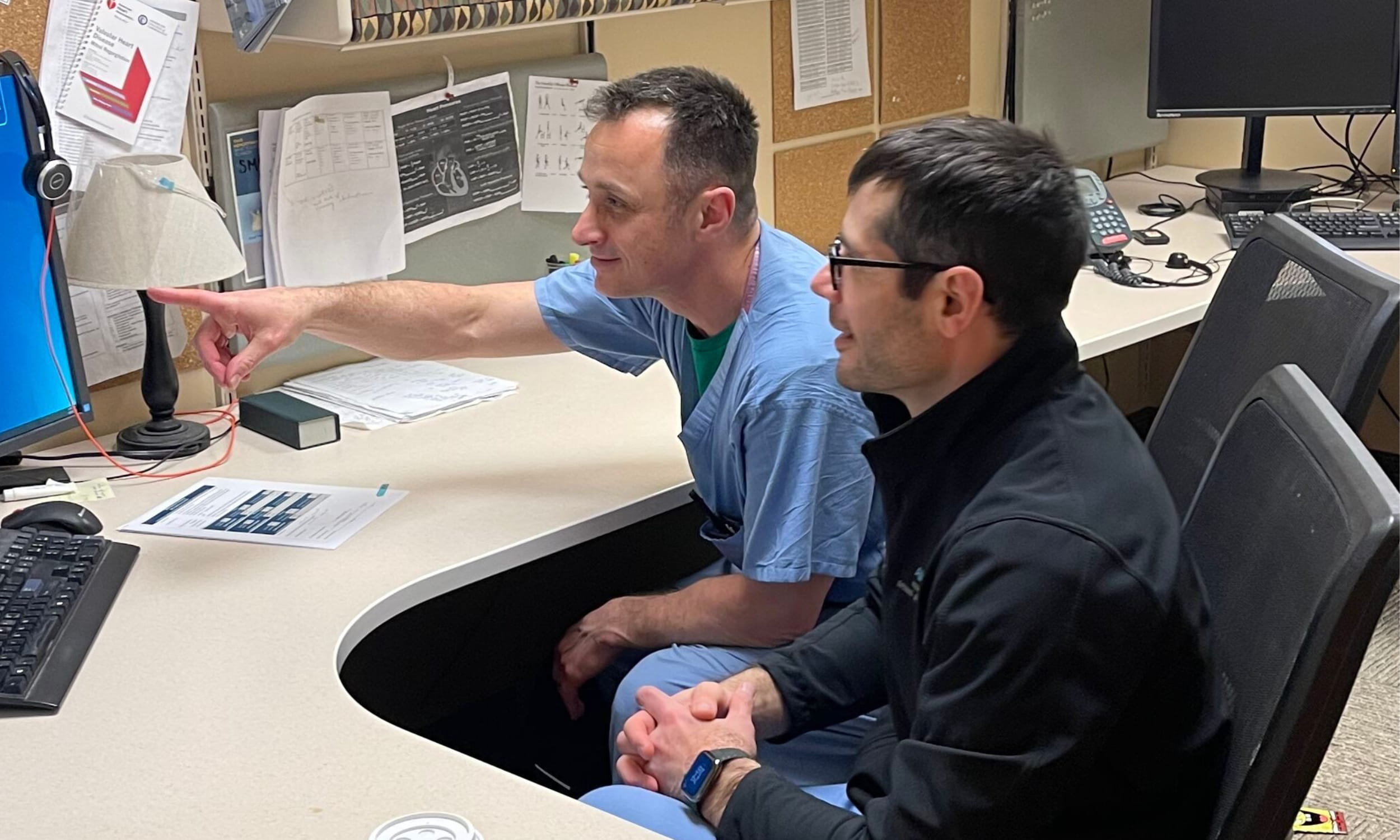 The neurointerventional surgery team at Allina Health Brain and Spine Institute has the highest volume of WEB aneurysm embolization cases in North America. The wire-mesh implant is designed to seal wide-neck brain aneurysms. It’s known for its precision and for reducing the need for additional stents.
The neurointerventional physicians insert the WEB via catheters like the ones Dr. Whitbeck uses to treat coronary arteries. It’s minimally invasive and rests inside the aneurysm sac, disrupting blood flow at the neck to prevent further issues from the aneurysm.
A cutting-edge idea: using a neurointerventional device in the heart
Using the WEB embolization system in the heart is off label and highly specialized, the kind of strategy only possible when experts from two advanced fields work together.
“We had heard of one other case using the WEB system to treat a coronary aneurysm in this manner, so this is a very unique application, and we were the second center in the country to do so,” said Collin Torok, MD, neurointerventional surgeon.
“While this is an off-label application, no other center has the depth of experience with WEB as Allina Health Brain and Spine Institute. Drs. Josser Delgado and Yasha Kayan, also neurointerventional surgeons at Abbott Northwestern Hospital, were early adopters and have been leaders in the use of this device. Dr. Torok and I are also proctors for the device, and so we knew we were forming a very special team,” said Jason Carroll, MD, neurointerventional surgeon.
After careful planning, the team determined the WEB device’s unique basketlike structure could give Steven the safest and most durable outcome.
“Allina Health is uniquely positioned for cases like Steven’s,” explained Dr. Torok. “Our distinctive clinical programs and integrated, interdisciplinary approach allow us to coordinate care seamlessly and solve complex problems together. When heart and neuroscience teams combine their expertise, we can offer patients innovative solutions that aren’t possible within a single specialty.”
Recovery and a return to living fully
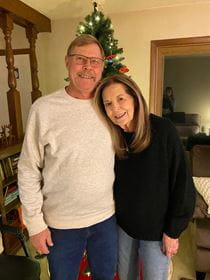 Since the procedure was minimally invasive, Steven said he recovered quickly.
When asked what he thinks about receiving care at one of two health care facilities that have treated aneurysms like this, he said, “I think it’s fantastic” and added that Dr. Whitbeck is a “hero” for doing this.
With the aneurysm that once restricted his life now safely secured, he’s looking ahead to fewer limitations and more freedom.
Share this article


